


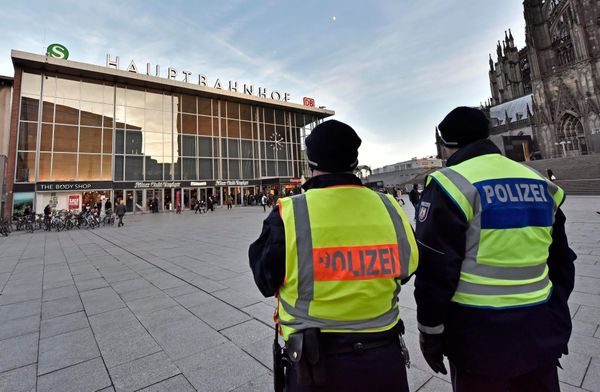
In cultures that offer fewer and fewer shared rituals, New Year’s Eve is one of the few times when individuals come together to celebrate, reflect on the past, and look forward to the future with renewed hope. News media are filled with hopeful scenes from around the world, so that it is one of the few celebrations that seem to represent optimism that crosses national borders, religious differences, and cultural norms. Perhaps this is why the news that began filtering out from Cologne in the early hours of the morning on New Year’s Day 2016 was so disturbing. Among the revelers there had been mass gatherings of men identified as having North African and Arab backgrounds who had sexually assaulted, robbed, and terrorized women.
The reports were shocking, but not surprising for those of us who had been watching developments in working-class communities elsewhere. Initial police reports tried to downplay events, even suggesting the night had proceeded “flawlessly,” while the media hesitated in their reportage, downplaying the alleged attackers’ migrant backgrounds. Cologne’s Chief of Police described the incidents as “crimes of a completely new dimension.” Indeed, they revealed that German institutions were unable to respond honestly or effectively to the results of their own immigration policies. It wasn’t an isolated event, and the repercussions are still being felt today.
Ten years on, Cologne looks less like an aberration than a sign of a pervasive problem. The problem isn’t just that liberal multiculturalism is a failed policy. It’s that it didn’t fail everyone equally. It failed women and girls first, of course. But not just any women. Above all, it failed those in working-class communities.