


For the past half-century, the dominant question in American election law has been how to address racial discrimination. At the dawn of the civil rights movement, with discriminatory voting practices still rampant, the answer was straightforward: National institutions like Congress and the Supreme Court had to intervene. Many local polities had long-standing practices that disenfranchised minorities, particularly black voters. The Supreme Court took initial steps to prohibit discriminatory practices. However, the boldest intervention was Congress’s passing of the Voting Rights Act in 1965.
The VRA has been celebrated as a super-statute that transformed American democracy. It gave federal agencies the power to preemptively oversee many states’ changes in voting practices, and created a statutory right of action against racial discrimination. However these measures came at the cost to the ability of voters in states to control their own elections. From its inception, the VRA was recognized as an “uncommon” intervention that deprived the electorate of power over its own terms of self-rule, but this was seen as necessary given the long legacy of racial discrimination across the nation.
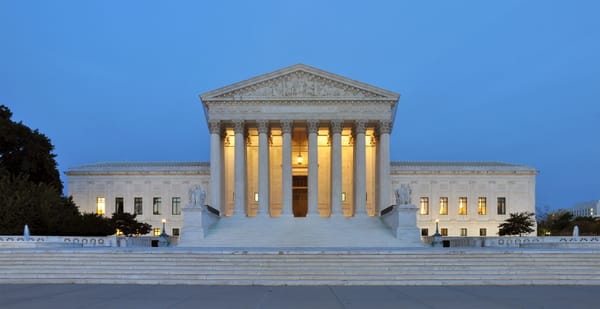
Yet in the past few decades the very institution that first led the charge against racial discrimination in voting has begun to question the necessity of Congress’s oversight of state and local democracy. In 2013, the Supreme Court found in Shelby County v. Holder that the preclearance regime—which gave the federal government veto power over many states’ democratic processes—was intrusive and outmoded, and ruled it unconstitutional.
The Supreme Court appears poised to roll back yet another congressional supervision over state electoral authority. In Louisiana v. Callais, the Supreme Court looks ready to limit the scope of Section 2 of the Voting Rights Act. For the past decade, Section 2 has served as the primary means by which Congress oversees the role of race in elections. Currently, Section 2 has two effects. It prohibits intentionally discriminatory voting policies that limit minority access to the ballot. Predicting the outcomes of Supreme Court cases is a risky endeavor, but it seems likely that Callais will leave this part of Section 2 intact. Even if the Court strikes down Section 2 wholesale, such measures would remain illegal under the Fifteenth Amendment.