


When the film God’s Not Dead was released in 2014, it was panned by critics. The film follows a Christian college student who is told to renounce his faith or fail a class. In addition to mocking the film’s performances, script, and production value, critics aimed fire at its plot, which they dismissed as an unrealistic portrayal of the predicament of Christians in the West. The following year, the Norwegian authorities forcibly removed the five children of the Bodnariu family from their parents in what many have called a case of anti-Christian persecution. The family’s story serves as a basis for Cristian Mungiu’s new drama, Fjord. And while God’s Not Dead received no mainstream awards, Fjord won the Palme d’Or at Cannes, arguably the most prestigious award in cinema.
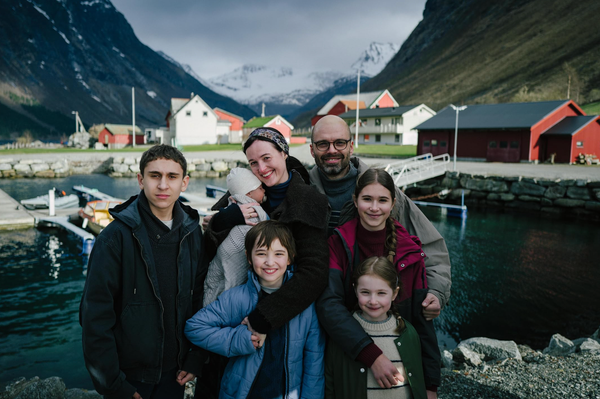
The plot follows Romanian Mihai Gheorghiu, his wife Lisbet, and their children, who relocate to Norway, Lisbet’s birthplace, to be closer to her family. The devoutly evangelical family (the film’s stand-in for the Bodnariu family) initially receives a warm welcome, but is soon thrust into a legal and bureaucratic nightmare when Norway’s version of Child Protective Services, suspecting the parents of physical abuse, removes the five Gheorghiu children, including their still-breastfeeding baby.