


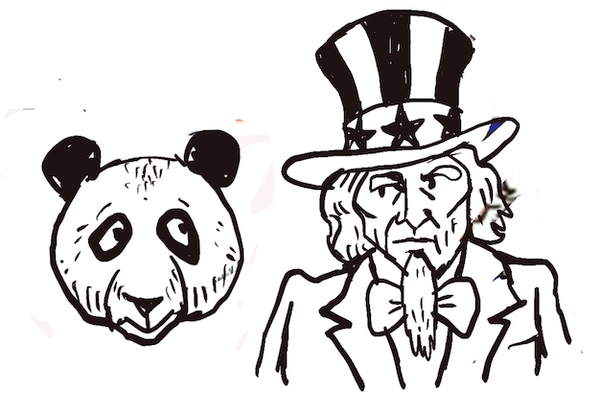
In recent years, heightened tensions between the United States and China have led to talk of a new Cold War. The standard framing of this conflict, both from the anti-imperialist left and the civilizationist right, reprises themes of the twentieth century, treating it as a struggle between colonizer and colonized or capitalism and communism.
The 2020 book Trade Wars Are Class Wars, by the economists Matthew Klein and Michael Pettis, complicates this view. Klein and Pettis, whose ideas have influenced both Biden and Trump officials, drew on J.A. Hobson’s classic theory of imperialism, which argued that Britain had dumped goods on colonies and flushed out excess savings abroad through mobile finance capital.
Today, Klein and Pettis argue, the relationship between imperial metropole and colonial periphery is reversed. The supposed inheritor of the British imperial legacy, the United States, sells its financial assets overseas while buying the surplus production of creditor countries such as China. America is indebted to China and buys Chinese products as well as products manufactured in countries indebted to China through the Belt and Road Initiative.