


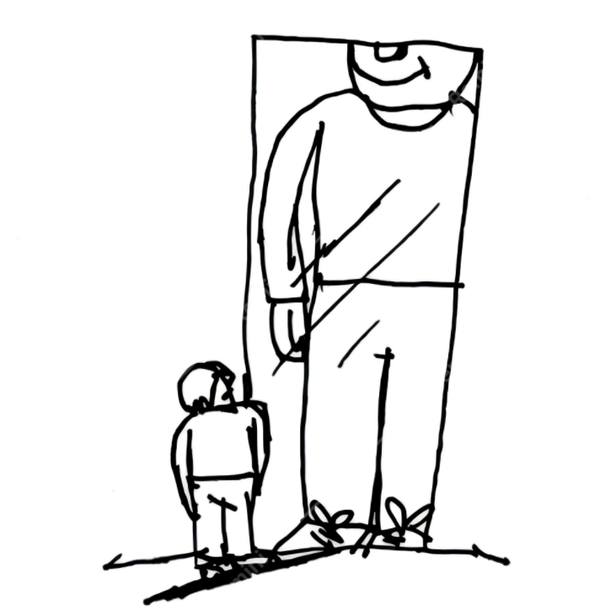
Never has there been more concern about the state of boys and young men. In early December, California launched a “mental health media challenge” designed to help those who feel “disconnected, unseen, and alone in their mental health struggles,” following Governor Gavin Newsom’s executive order last July to “support young men and boys” and address male suicide rates. Meanwhile, British Prime Minister Keir Starmer recently announced a “national summit” on the “challenges facing men and boys.” There is never a shortage of experts eager to meet these demands, crafting programs on healthy masculinity, developing new schemes to “build resilience” through a suite of bureaucratic interventions.
“Never have we been more dead-set on dismantling the very thing that makes boys into men.”
Yet perhaps never have we been more dead-set on dismantling the very thing that makes boys into men: relationships with other men. Even talking about “men and young boys” is to invite nervous titters (and perhaps don’t Google it). It’s not just that intergenerational relationships between boys and men have broken down—they’ve been weakened through deliberate bureaucratic intervention. The same publications lamenting the loss of male role models will also question whether we should ban men from childcare altogether. The same society that expels men from boys’ lives, then wonders: “Where have all the men gone?”
For decades, intergenerational male relationships have been treated with growing suspicion. Incidents of sexual abuse involving men in positions of trust and authority have rightly drawn condemnation. But “the recognition that some adults may harm children,” write the authors of Parenting Culture Studies, has mutated into “society-wide regulatory projects” targeting intergenerational contact. In trying to fix the defect, authorities took a wrecking ball to the architecture of adult-child relationships. Risk has come to mean not “what might happen,” but rather, “what is likely to happen.”