


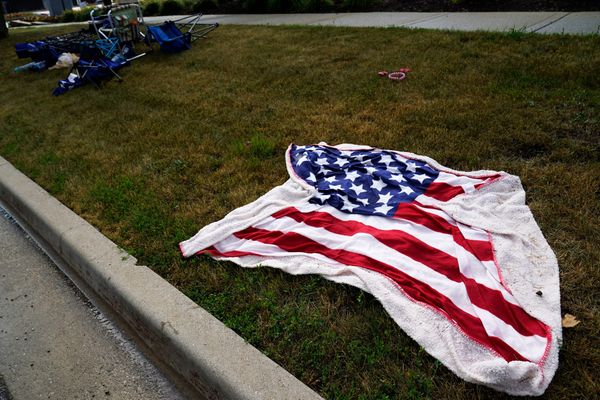
So far America’s 250th celebration has the stilted air of the wedding anniversary of a couple quietly contemplating a divorce. Though formally acknowledging the milestone, we seem to have lost some of the emotional current that binds us to the founding moment. Any anniversary celebration acknowledges both continuity and change. But a comparison with the bicentennial celebration fifty years ago suggests that the cultural influence of the nation’s founding myth, its capacity to unify and inspire, is waning.
Perhaps Americans are just too polarized, disillusioned, and depressed about our national existence to celebrate it. There is only one problem with this explanation: Bitter cultural and political division, along with despair that we are no longer capable of maintaining our republican institutions, is a constant in American history. Indeed, these persistent anxieties and discontents go a long way toward explaining the unique importance of the Founding as the mythical basis of an American national identity.
The bitterest controversies over the terms of our national existence have always been shaped by a common reverence for the Founding itself. Partisan efforts to claim the Founding are a testament to its enduring power. Today, though, something different is happening. We seem less interested in contending for the myth that has held us together.